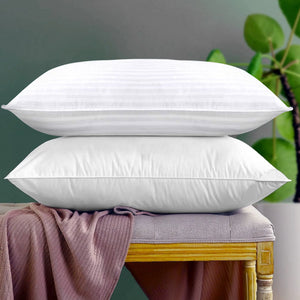

From Winter to Spring: How to Switch Your Bedding the Right Way
Switching your bedding from winter to spring doesn’t have to be tricky. The key is to adjust your bedding layers, swap out heavy winter duvets for lighter options, refresh your pillows, sheets, and mattress protectors, and consider the occasional throw for cooler nights. This blog will guide you through each step, helping you enjoy a cosy yet breathable bed perfect for the warmer months, while keeping your bedroom fresh and inviting.
Get Ready to Make Your Bed Spring-Ready:
With a few simple changes, you can transform your winter bed into a light, airy, and comfortable retreat. From choosing the right duvet to swapping sheets and refreshing pillows, small adjustments make a big difference. By the end of this guide, you’ll have all the tips you need to enjoy a bed that’s not just comfortable, but perfectly suited to springtime in the UK.
Why Switching Your Bedding Matters
When winter fades, and spring arrives, the bedding you loved for cosy, chilly nights can feel too heavy or hot. Winter bedding, like thick duvets, flannel sheets, and quilted mattress toppers, is designed to trap heat and keep you warm. But when the temperature rises, the same bedding can leave you feeling sweaty, uncomfortable, or even restless at night.
Switching to lighter, breathable bedding not only keeps you comfortable but also supports better hygiene. Fresh bedding in spring reduces allergens, prevents odours, and gives your bed a light, airy feel. It can even help you sleep better, as your body temperature naturally regulates more efficiently when your bed isn’t too warm.
Making the seasonal swap can feel like a small effort, but it creates a noticeable difference in comfort, energy levels, and the overall mood of your bedroom.
Step 1: Evaluate Your Winter Bedding
Before making any changes, take a good look at what you’ve been using during the colder months. Typical winter bedding includes:
|
Bedding Item |
Winter Use |
Spring Consideration |
|
Duvet |
Thick, down, or synthetic |
Consider a lighter duvet or cotton-filled option |
|
Sheets |
Flannel or brushed cotton |
Switch to percale, soft cotton, or linen |
|
Pillowcases |
Thick cotton or flannel |
Swap to breathable cotton or satin for a cooler feel |
|
Mattress Protector |
Heavy, quilted |
Use a thin, waterproof protector if needed |
|
Blankets |
Wool or chunky knit |
Light cotton or linen throws |
Checking each item ensures you only keep what you need and avoid clutter in your bed. It also allows you to refresh or replace items that have worn out during winter.
Step 2: Choose the Right Spring Duvet
The duvet is the star of your bed. Winter duvets are thick and insulated, perfect for retaining heat, but in spring, they can feel heavy. Choosing a spring duvet requires considering both comfort and practicality.
Tips for selecting a spring duvet:
- Tog rating: Look for a duvet rated between 4.5 and 7 tog. This is light enough to keep you cool, yet warm on chillier nights.
- Material: Cotton and bamboo-filled duvets are naturally breathable. Microfibre is also lightweight and easy to wash.
- Size: Make sure your duvet fits your bed perfectly to avoid gaps that let heat escape or cold air in.
Spring Duvet Comparison:
|
Duvet Type |
Tog Rating |
Best For |
Care Tips |
|
Cotton-filled |
4.5 |
Breathable and lightweight |
Machine washable |
|
Bamboo-filled |
6 |
Soft, naturally cooling |
Gentle wash recommended |
|
Microfibre |
7 |
Budget-friendly and hypoallergenic |
Wash regularly to maintain the loft |
Choosing the right duvet for spring ensures your bed stays comfortable without overheating, even with the unpredictability of UK spring weather.
Step 3: Swap Your Sheets
Your sheets play a huge role in your sleep comfort. Winter sheets are often flannel or brushed cotton, which trap heat. For spring, switch to materials that allow your skin to breathe and keep you cool.
- Percale cotton: Crisp, smooth, and highly breathable.
- Sateen cotton: Slightly glossy, soft, and lightweight.
- Linen: Naturally regulates temperature and wicks away moisture.
Changing your sheets is one of the quickest ways to refresh your bed. Always make sure they are freshly laundered before using, as clean sheets are more breathable and comfortable. For an extra touch, you might add a lightweight cotton throw folded at the foot of the bed for occasional chilly nights.
Step 4: Refresh Pillows and Pillowcases
Your pillow choice is just as important as your duvet. For spring, lighter fillings can help prevent overheating.
- Memory foam or microfibre pillows: Provide support without excess warmth.
- Cotton or bamboo pillowcases: Keep your head cool and comfortable during sleep.
Pillow Transition Tips:
|
Winter Pillow |
Spring Swap |
Benefit |
|
Thick feather pillow |
Medium fibre pillow |
Maintains support without overheating |
|
Flannel pillowcase |
Cotton or satin pillowcase |
Breathable and gentle on the skin |
|
Extra decorative cushions |
Fewer or lighter cushions |
Reduces heat build-up |
Even changing pillowcases alone can make a significant difference in your comfort level. Breathable pillow covers improve airflow and make hot nights more manageable.

Step 5: Consider Mattress Protection
Winter mattress protectors tend to be thick and quilted, which can trap heat. For spring, consider:
- Thin, waterproof protectors: Protect your mattress without adding extra warmth.
- Lightweight mattress toppers: Optional, but provide comfort without overheating.
A simple mattress protector swap ensures your bed stays clean and comfortable throughout the season.
Step 6: Add or Remove Blankets
Blankets are a versatile part of bedding. In winter, you might have used wool or chunky knit throws. For spring, lighter options are better:
- Cotton or cotton-blend throws: Perfect for mild nights.
- Linen throws: Lightweight, breathable, and stylish.
One or two throws are usually enough for spring. You can keep heavier blankets tucked away in storage until needed.
Step 7: Wash and Store Your Winter Bedding
Properly storing winter bedding is essential to keeping it fresh for the next season.
Winter Bedding Storage Tips:
|
Item |
Storage Advice |
|
Duvets |
Store in a breathable bag in a cool, dry place |
|
Blankets |
Fold neatly and avoid heavy compression |
|
Sheets |
Wash, dry, and store with lavender sachets for freshness |
|
Pillows |
Consider vacuum-sealing if storing long-term |
Washing bedding before storage removes dust mites and odours, helping your bedding stay in excellent condition for future use.
Step 8: Layering for Fluctuating Temperatures
Spring weather can be unpredictable, so layering your bed is a smart idea. Consider combinations such as:
- Light duvet + cotton throw
- Breathable sheets + satin pillowcases
- Thin mattress topper if extra softness is needed
This way, you can adjust easily for cooler nights or warmer days without needing heavy winter bedding. Layering also gives your bed a cosy, inviting look while remaining practical.
Step 9: Maintain a Clean and Fresh Bed
Seasonal bedding changes are also a chance to deep-clean your bedroom.
- Vacuum the mattress and under the bed.
- Rotate or flip your mattress if necessary.
- Open windows for a few hours to air out the room.
- Dust and wipe surfaces to reduce allergens.
A fresh and clean bedroom promotes better sleep and complements your new spring bedding.
Step 10: Make It a Seasonal Ritual
Treat switching bedding as a seasonal ritual. It doesn’t just improve comfort; it adds a sense of order and refreshes your bedroom environment. Setting aside a dedicated day to:
- Swap duvets and sheets
- Refresh pillows and throws
- Clean and air the bedroom
…can be a simple, yet rewarding routine. Seasonal bedding swaps make you more aware of your sleep environment and can even become a comforting ritual that signals the start of spring.
Step 11: Add a Touch of Style
Spring bedding isn’t only about comfort, it’s also about style. Consider:
- Light, pastel colours: Soft greens, blues, or yellows add a fresh, spring feel.
- Floral prints or patterns: Subtle designs brighten your bedroom without overwhelming it.
- Minimalist accents: Use fewer cushions and simpler throws to create a clean, airy look.
Refreshing your bedding with spring-appropriate colours and textures can make your room feel brighter and more cheerful.
Step 12: Monitor Your Sleep Comfort
After switching to spring bedding, take a few nights to notice how you feel. Are you waking up too warm? Do you need an extra throw? Your bedding should help regulate temperature naturally, so small adjustments are normal.
Keeping a flexible approach ensures your bed remains comfortable throughout the entire spring season.
Quick Checklist for Switching Bedding
|
Step |
Task |
|
1 |
Evaluate winter bedding |
|
2 |
Choose a light spring duvet |
|
3 |
Swap flannel sheets for breathable cotton, linen, or percale |
|
4 |
Refresh pillows and pillowcases |
|
5 |
Adjust mattress protection |
|
6 |
Replace heavy blankets with lighter throws |
|
7 |
Wash and store winter bedding |
|
8 |
Layer bedding for variable temperatures |
|
9 |
Air out and clean the bedroom |
|
10 |
Make it a seasonal ritual |
|
11 |
Add spring-inspired style and colours |
|
12 |
Monitor comfort and adjust as needed |
This checklist makes switching bedding simple and stress-free, helping you enjoy a more comfortable, healthier bed.
Final Thoughts
Switching your bedding from winter to spring is more than just a practical task. It’s an opportunity to improve comfort, promote better sleep, and refresh your bedroom. By choosing lighter duvets, breathable sheets, and seasonally appropriate pillows and throws, you can create a cosy yet airy bed suited to the unpredictable UK spring weather.
At Yorkshire Bedding, you’ll find a wide range of duvets, sheets, pillows, and mattress protectors perfect for this seasonal change. Taking the time to update your bedding ensures you sleep well, wake up refreshed, and enjoy the longer, warmer days ahead.
Remember, seasonal bedding swaps are simple, quick, and make a real difference to nightly comfort. Treat your bed to a spring refresh and feel the difference in your sleep quality and bedroom atmosphere.