
Why Choose Hypoallergenic Bedding?
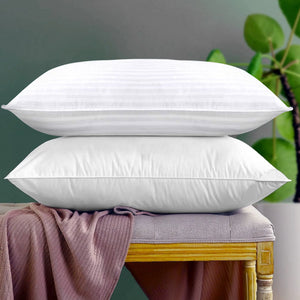
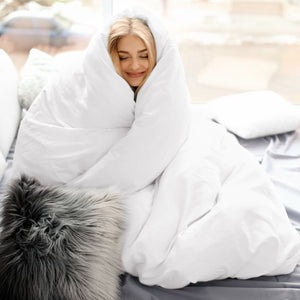
Hypoallergenic bedding is designed to reduce common allergens such as dust mites, mould, and pet dander, helping create a cleaner, healthier sleep environment. It is especially beneficial for people with allergies, asthma, eczema, or sensitive skin. In the UK, where damp weather, indoor heating, and seasonal pollen can worsen symptoms, hypoallergenic duvets, pillows, and mattress protectors can help minimise irritation, improve air quality, and support more comfortable sleep.
If you’ve ever woken up with a blocked nose, itchy eyes, or unexpected sneezing, your bedding might be the reason. Many people in the UK experience allergies, particularly due to damp winters, indoor heating, and seasonal pollen. Dust mites, mould spores, and pet dander often accumulate in duvets, pillows, and mattresses without our noticing.
Hypoallergenic bedding is designed to reduce these problems. It helps create a cleaner, fresher sleep environment that supports better breathing and more comfortable rest.
What is Hypoallergenic Bedding?
Hypoallergenic bedding refers to products made to reduce the build-up of allergens. While no bedding can guarantee complete allergen-free, hypoallergenic materials make it much harder for allergens to accumulate and survive.
These products are often made using tightly woven fabrics and specialised fillings that resist dust mites and bacteria. They are especially useful for people with asthma, eczema, or hay fever.
Hypoallergenic vs Anti-Allergy
Although the terms sound similar, they are slightly different:
- Hypoallergenic bedding uses materials that are naturally less likely to trigger allergic reactions.
- Anti-allergy bedding is treated with protective technology that actively resists allergens.

Both offer benefits, and many modern bedding products combine these features.
|
Feature |
Hypoallergenic Bedding |
Regular Bedding |
|
Helps reduce allergens |
Yes |
No |
|
Dust mite resistance |
Yes |
Limited |
|
Suitable for sensitive skin |
Yes |
Not always |
|
Breathability |
High |
Varies |
Why UK Sleepers Benefit from Hypoallergenic Bedding
1. Fewer Allergy Symptoms
UK homes often create ideal conditions for allergens. Central heating, limited winter ventilation, and moisture can allow dust mites to thrive.
Using allergy-friendly bedding can help reduce:
- Night-time congestion
- Sneezing in the morning
- Itchy or irritated skin
- Sleep disturbances
For many people, switching bedding leads to noticeable improvements in comfort.
2. Cleaner Indoor Air
Your bedding collects particles every day. Skin cells, dust, and microscopic debris can circulate through the air while you sleep.
Hypoallergenic materials reduce this accumulation, helping maintain fresher bedroom air. This is especially helpful for city residents or households with pets.
3. Comfort Across UK Seasons
The UK weather is famously unpredictable. One week may feel cold, while the next feels surprisingly mild.
Hypoallergenic bedding is available in different warmth levels, including:
- Lightweight summer duvets
- Medium tog options for spring and autumn
- Warm winter duvets
This flexibility ensures comfort without compromising cleanliness.
Best Materials for Hypoallergenic Bedding
Choosing the right fabric is important for reducing irritation and improving sleep quality.
|
Material |
Why It Works Well |
Popular in the UK |
|
Cotton |
Breathable, natural, washable |
Yes |
|
Bamboo |
Moisture-wicking, antimicrobial |
Yes |
|
Microfibre |
Lightweight, dust-resistant |
Yes |
Cotton
Cotton remains a favourite in UK bedrooms. It is breathable, soft, and easy to clean at high temperatures.
Bamboo: Bamboo fabrics are known for moisture control and natural antibacterial qualities. They feel silky smooth and help regulate temperature.
Microfibre: Widely used in hypoallergenic duvets and pillows. It is soft, durable, and dust-mite resistant.

How to Choose the Right Hypoallergenic Bedding
Selecting the best bedding does not need to be complicated. A few simple checks can make a big difference.
Look for Safety Certifications
OEKO-TEX certification provides reassurance that materials are safe for sensitive skin.
Pick the Right Tog Rating
Different seasons call for different warmth levels.
|
Season |
Suggested Tog |
|
Summer |
4.5 tog |
|
Spring / Autumn |
7.5 to 10.5 tog |
|
Winter |
13.5 tog |
Choose Washable Products: Washable bedding makes allergen control much easier.
Consider Full Protection: Using hypoallergenic duvets, pillows, and a mattress protector together provides more complete coverage.
Caring for Hypoallergenic Bedding
Proper maintenance keeps bedding fresh and effective.
|
Item |
Wash Frequency |
Recommended Temperature |
|
Pillowcases |
Weekly |
60°C |
|
Duvet covers |
Weekly |
60°C |
|
Pillows |
Every 2 to 3 months |
40 to 60°C |
|
Duvets |
Every 3 months |
40 to 60°C |
|
Mattress protector |
Monthly |
60°C |
Helpful Care Tips
- Dry bedding fully before reuse
- Avoid heavy fabric conditioners
- Use gentle, fragrance-free detergent
- Vacuum mattresses occasionally
Extra Benefits Beyond Allergy Relief
Hypoallergenic bedding offers more than just protection.
Longer Product Life: Materials resistant to bacteria and dust mites often stay fresher for longer.
Easier Cleaning: Many products are lightweight and designed for convenient machine washing.
Peace of Mind: Sleeping in a cleaner environment simply feels better and more relaxing.
Simple Steps to Upgrade Your Bed
Switching to hypoallergenic bedding can be done gradually.
- Replace older pillows first
- Upgrade your duvet
- Add a mattress protector
- Maintain a regular wash schedule
Even small changes can improve sleep comfort.
FAQs
Is hypoallergenic bedding worth buying?
Yes. It can reduce allergens, improve sleep comfort, and help manage symptoms linked to asthma, eczema, and hay fever.
Does hypoallergenic mean dust mite proof?
Not always. It means materials are designed to resist allergens, but regular washing is still essential.
Can I wash hypoallergenic duvets at home?
Most modern options, including Yorkshire Bedding products, are machine washable. Always check the care label first.
Is it suitable for children?
Absolutely. Allergy-conscious bedding is ideal for children with sensitive skin or breathing concerns.
Final Thoughts
Choosing hypoallergenic bedding is a smart decision for many UK households. It supports better sleep, cleaner air, and greater comfort, especially for those dealing with allergies or sensitive skin.
Yorkshire Bedding makes this upgrade accessible with affordable, well-designed options, including duvets, pillows, and mattress protectors. Their focus on comfort, practicality, and certified-safe materials helps sleepers enjoy healthier rest year-round.