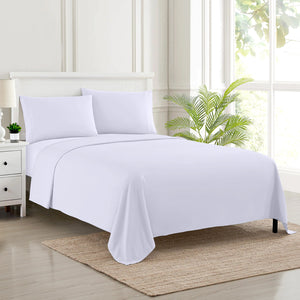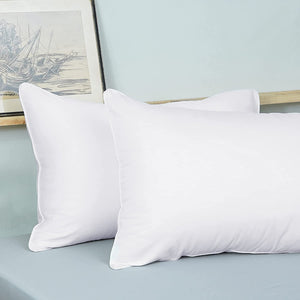

Why Gen Z Is Transforming Bedroom Design in 2026
Gen Z is reshaping bedroom design in 2026 by turning bedrooms into personal comfort zones that focus on mood, sleep quality, self-expression, and flexible living. Instead of traditional matching décor, they prefer cosy, aesthetic, and functional spaces that reflect who they are.
This blog explores how and why this shift is happening in the UK, and what it means for modern bedding, lifestyle, and home comfort trends.
1. The Gen Z Mindset: Rooms That Feel Personal, Not Perfect
Gen Z does not want bedrooms that look like hotel catalogues. They want spaces that feel lived-in, soft, and emotionally comforting.
A “perfect” room feels too staged for them. Instead, they prefer rooms that tell a story.
This is why you will often see:
- Beds with mixed cushions instead of matching sets
- Slightly messy, relaxed styling instead of strict symmetry
- Posters, prints, or fairy lights that reflect personality
- Bedding that feels soft and inviting rather than formal
The idea is simple: a bedroom should feel like a safe emotional escape.
Even small details matter. A favourite blanket, a sentimental cushion, or a warm-toned duvet can completely change the mood of a space. This emotional connection is what drives most design choices in 2026.

2. Social Media Is Shaping Bedroom Trends Faster Than Ever
Social media has completely changed how bedroom ideas spread. In the past, people relied on magazines or showrooms. Now, a 10-second TikTok video can start a global trend.
Gen Z constantly consumes:
- Bedroom makeover videos
- “Before and after” transformations
- Aesthetic room tours
- Budget-friendly décor hacks
These visuals make bedroom design feel accessible. Anyone can recreate a look, even on a small budget.
Why social media matters so much:
- Trends change quickly and spread instantly
- Bedroom styles are easy to copy at home
- Influencers make design feel achievable
- Aesthetic “themes” create identity-based styling
Bedroom aesthetic influence breakdown:
|
Platform |
Popular Bedroom Style |
Why It Works |
|
TikTok |
Cozy glow rooms |
Fast, relatable transformations |
|
|
Minimal clean rooms |
Visually satisfying feeds |
|
|
Dream aesthetic rooms |
Endless inspiration boards |
Because of this, bedrooms are becoming more creative and experimental than ever before.
3. Sustainability Is No Longer Optional
Gen Z does not treat sustainability as a trend. It is a lifestyle choice.
In bedroom design, this means choosing items that last longer and reduce waste. Instead of constantly replacing cheap décor, they invest in fewer, higher-quality essentials.
This shift is especially visible in bedding choices.
They prefer:
- Durable duvet covers that can handle regular washing
- Natural-feel fabrics that are breathable and soft
- Long-lasting pillows that maintain shape
- Mattress protectors that extend bed life
There is also a strong focus on reducing clutter. A simple, sustainable bedroom feels calmer and easier to maintain.

Sustainability also connects to mental wellbeing. A less cluttered room often feels less stressful and more peaceful, which is important for daily life.
4. Bedrooms Are Now Multi-Purpose Living Spaces
One of the biggest changes in 2026 is how much time people spend in their bedrooms.
For many Gen Z individuals in the UK, the bedroom is not just for sleeping anymore. It is a:
- Study space for university or revision
- Work-from-home setup
- Entertainment zone for streaming
- Social media content area
- Relaxation and recovery space
Because of this, bedroom design must be flexible.
What are these changes in bedding and layout:
- Beds are used like sofas during the day
- Cushions become support for sitting up
- Lightweight bedding makes the space easier to adjust
- Storage becomes more important to avoid clutter
This multi-use lifestyle has made comfort the number one priority. A bedroom must support long hours of use, not just sleep.
5. Sleep Wellness Has Become a Core Priority
Gen Z is more aware of mental health and sleep science than previous generations. Sleep is no longer seen as passive rest. It is an essential part of wellbeing.
Because of this, bedroom design focuses heavily on sleep quality.
Key priorities include:
- Keeping the room cool and breathable
- Reducing bright or harsh lighting
- Choosing soft, skin-friendly bedding
- Creating a calm, distraction-free environment
Bedding essentials for better sleep:
- Soft duvet covers that reduce irritation
- Supportive pillows that align the neck
- Breathable sheets that regulate temperature
- Mattress protectors that maintain hygiene
Even colour choice affects sleep. Softer tones like beige, grey, and sage green help create a calmer environment.
Sleep wellness is now a design goal, not just a health habit.
6. Colour Trends in 2026 Are Softer, Warmer, and Calmer

Gone are the days of bold, overwhelming bedroom colours. Gen Z prefers subtle, comforting tones that help them relax.
The goal is not to impress others, but to feel good in the space.
Popular 2026 bedroom colours:
- Warm beige
- Soft cream
- Muted sage green
- Dusty rose
- Light stone grey
- Soft oat tones
These colours work especially well with layered bedding and soft textures.
Colour psychology in bedrooms:
|
Colour |
Emotional Effect |
Best Use |
|
Beige |
Warmth and calm |
Bedding base layers |
|
Sage Green |
Nature and balance |
Duvet covers |
|
Grey |
Clean and neutral |
Pillows and sheets |
|
Soft Pink |
Comfort and softness |
Decorative cushions |
These tones help create a peaceful mood that supports rest.
7. Layering and Texture Make Bedrooms Feel Cosy
One of the most noticeable Gen Z design habits is layering. Instead of one flat look, beds are styled with multiple textures and soft materials.
This creates a “cosy depth” that feels inviting.
Common layers include:
- Crisp cotton sheets
- Soft duvet covers
- Knitted or quilted throws
- Plush cushions
- Light blankets for flexibility
- Layering is not just aesthetic. It is practical.
- Benefits of layering:
- Easier temperature control
- More comfort for sitting or lying down
- Visually warmer and homely feel
- Seasonal flexibility
A well-layered bed looks effortlessly styled, even when it is simple.
8. Smart Features Are Quietly Becoming Part of Bedrooms
Technology is slowly blending into bedroom design, but Gen Z prefers subtle integration rather than overwhelming tech setups.
Popular additions include:
- Soft LED strip lighting behind headboards
- Adjustable warm lighting for evenings
- Bluetooth speakers for sleep sounds
- Wireless charging bedside setups
The key is balance. Technology should improve comfort, not distract from it.
Ideal Gen Z tech setup:
- Soft lighting instead of bright white bulbs
- Minimal visible cables
- Devices used for relaxation, not stimulation
- Sleep-friendly soundscapes or playlists
This helps maintain the calm atmosphere that Gen Z values most.
9. Budget-Friendly Bedroom Makeovers Are Driving Creativity
Gen Z is highly creative when it comes to decorating on a budget. Instead of expensive interior design, they rely on small, smart changes.
They focus on impact rather than cost.
Popular budget upgrades:
- Changing duvet covers for a fresh look
- Adding cushions for instant style updates
- Using LED lights for mood changes
- Rearranging furniture for a new layout
Budget impact:
|
Change |
Cost |
|
Visual impact |
|
New bedding |
Low |
|
High |
|
Cushion styling |
Low |
|
Medium |
|
Lighting upgrade |
Low |
|
High |
|
Furniture shift |
Free |
|
Medium |
This approach makes bedroom design accessible to everyone.
10. What Defines a Gen Z Bedroom in 2026
A Gen Z bedroom is not defined by expensive furniture or matching décor. It is defined by feeling.
It should feel:
- Comfortable
- Personal
- Flexible
|
Feature |
Old Style Bedroom |
Gen Z Bedroom |
|
Purpose |
Sleep only |
Multi-use living |
|
Style |
Matching sets |
Mixed aesthetics |
|
Mood |
Formal |
Relaxed and cosy |
|
Focus |
Appearance |
Comfort and wellbeing |
- Calm
-
Aesthetic without being forced
Key differences:
The biggest shift is emotional. Bedrooms now support mental health and daily life, not just rest. Shop Mattress Protector from Yorkshire Bedding.
11. Bedding Is at the Centre of the Transformation
At the heart of this change is bedding. It is the easiest way to change how a room looks and feels.
Gen Z uses bedding as:
- A style statement
- A comfort upgrade
- A mood booster
- A reflection of personality
Key bedding essentials shaping bedrooms include:
- Soft duvet covers for aesthetic and comfort
- Breathable sheets for daily use
- Supportive pillows for sleep and lounging
- Mattress protectors for hygiene and durability
Brands like Yorkshire Bedding are becoming more relevant because they focus on comfort-driven essentials that match real lifestyles, not just design trends.
12. The Future of Bedroom Design
Looking ahead, bedroom design will continue moving towards comfort-first, personality-driven spaces.
We can expect:
- Even more personalised styling
- Stronger focus on mental wellbeing
- More sustainable materials
- Smarter lighting and sleep systems
- Continued rise of cosy, minimal aesthetics
Bedrooms will become even more important as emotional recovery spaces in daily life.
Final Thoughts
Gen Z is not just changing how bedrooms look in 2026. They are changing what bedrooms mean.
A bedroom is now a reflection of lifestyle, comfort, and identity. It is a place to rest, reset, and express personality most simply.
From soft bedding choices to calming colour palettes and flexible layouts, every detail matters more than ever.
And as brands like Yorkshire Bedding continue to support comfort-focused living, bedroom design is becoming more human, more thoughtful, and more connected to real life than ever before.